
ONLINE MERCHANDISE
Header image

Honor Tradition, Embrace Change

Throughout the challenges of floods, fires, tornadoes and even Prohibition, the American family-owned Buffalo Trace Distillery has never compromised.

A timeless dedication to respecting the past while fearlessly innovating for the future has served us well for more than two centuries. No matter the challenge, be it Mother Nature or man, the people of our Distillery have been part of the story that shaped America and the spirit industry as well.

Logo
18th CENTURY

18th CENTURY

Pioneers Survey Frankfort and Forge Whiskey Roots Along the Buffalo Trace

1771

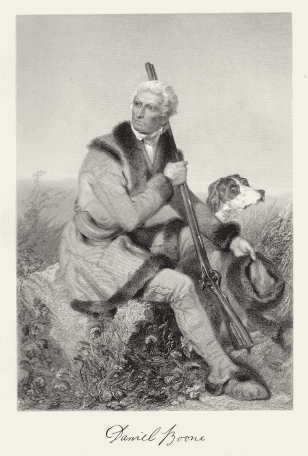
Daniel Boone passes through Lee’s Town on the Buffalo Trace.

Artists impression of Daniel Boone
1773

McAfee brothers and Hancock Taylor survey the Frankfort area.

1775

Hancock and Willis Lee established
Leestown North of the Frankfort settlement
along the Kentucky River, now home to
Buffalo Trace Distillery.

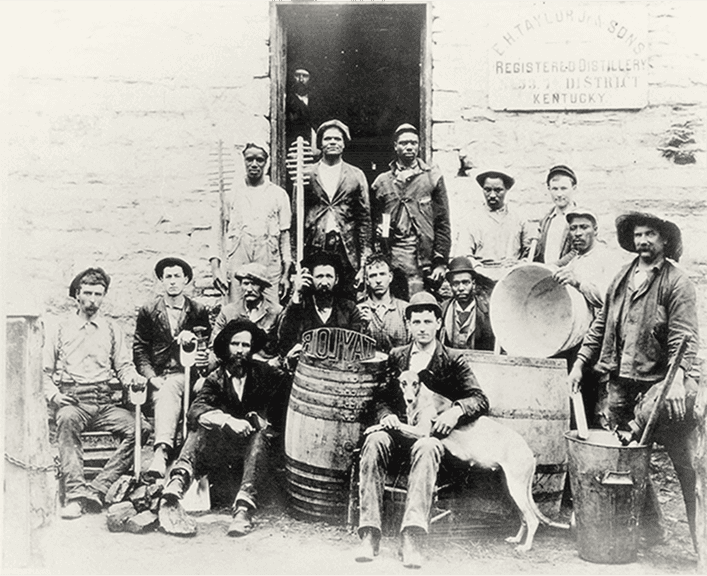
Riverside, 1879
Riverside, 1879
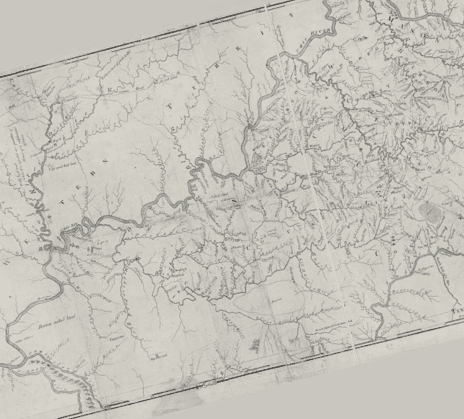
Historic map of Kentucky
1792

Kentucky becomes the 15th state in the Union.

Commodore Richard Taylor builds “The Old Taylor House”; the one-story stone house is still on the site today.

19th CENTURY

19th CENTURY

From Modest Still to O.F.C. Empire: Bourbon Innovators Rebuild and Revolutionize

1811

A three-story stone warehouse is built on the Kentucky River near Riverside to store goods.

This included many barrels of whiskey, awaiting shipment to as far away as New Orleans; Benjamin Harrison Blanton is said to distill on site in upcoming years.

1858

A small but up-to-date distillery is developed by Daniel Swigert using warehouse and Riverside site.

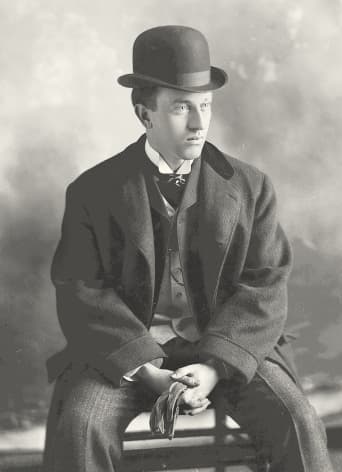
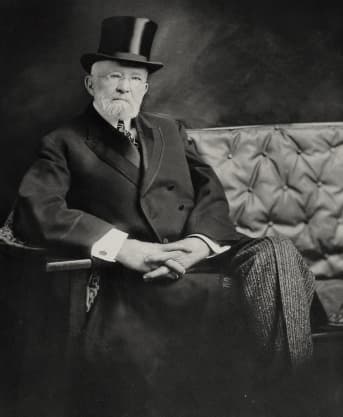
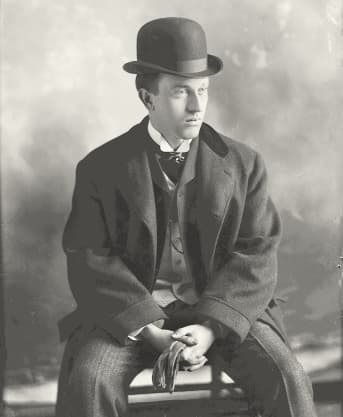
Colonel Edmund Haynes Taylor, Jr.
1870

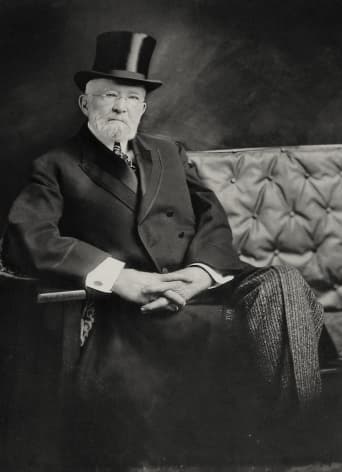
Colonel Edmund Haynes Taylor, Jr. purchases the Distillery and christens it
“O. F. C.” – in reference to the belief that the finest whiskey was produced in old-fashioned wood-fired copper stills.

biography
1872

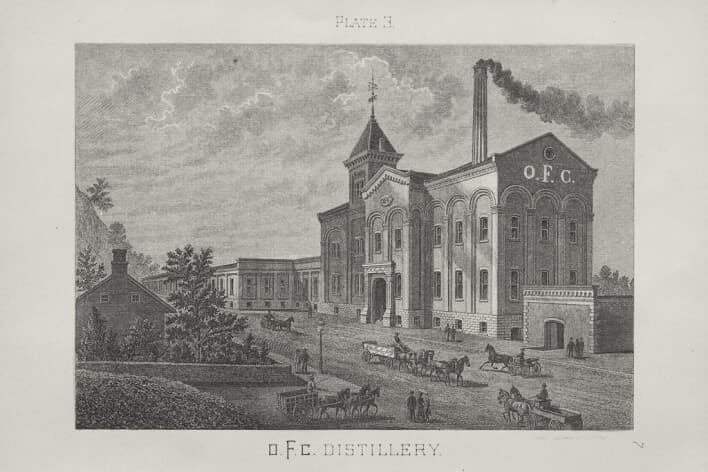
E. H. Taylor, Jr. invests over $70,000, a “small fortune,” as he builds a new distillery on the site.

Painting of O.F.C Distillery c.1870's
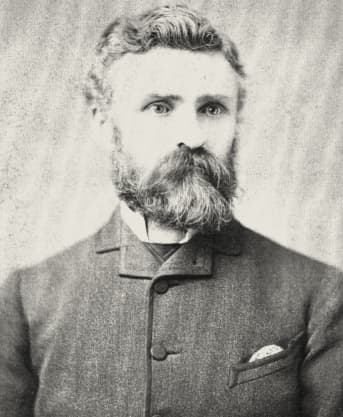
George T. Stagg
George T. Stagg
1878

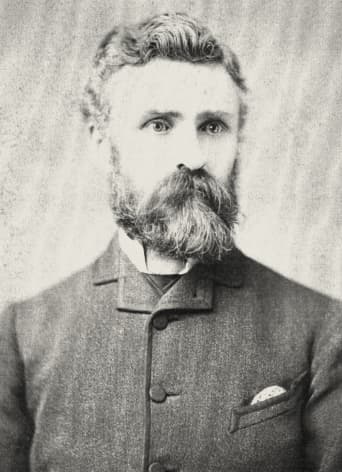
The O.F.C. Distillery is purchased by George T. Stagg along with the adjacent livestock farm; Taylor continues to oversee operations.

biography
1881

Warehouse A and Warehouse B are built; still standing today.

1882

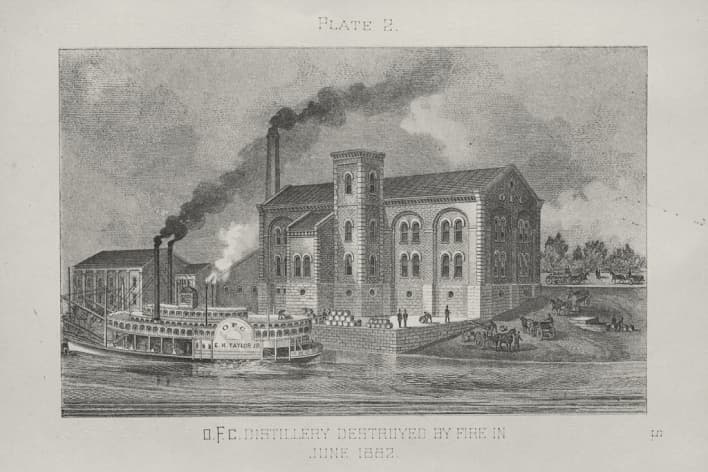
Lightning strikes and burns the O.F.C. Distillery in “The Great Fire;” it is rebuilt immediately in a yet grander manner at a cost of $44,000 over and above the insurance collected.

The rebuilt O.F.C Distillery c.1880's
1883

The newly rebuilt distillery included a large mashing and fermenting wing which remains intact today as the O.F.C Building.

1885

The Construction of Warehouse C, still standing today, completes Taylor’s vision for his “Model Distillery Plant of the World”.

1886

Steam heating system for the warehouses is installed, making this the first Distillery to use steam heat which is still in use today.

Colonel Albert B. Blanton
1897

Albert B. Blanton joins the company as an office boy at age 16.

biography
20th CENTURY

20th CENTURY

Through Prohibition, Wars and Reinvention – A Distillery’s Unbroken Legacy

1900

The Gilded Age ends and Albert B. Blanton is appointed as Still House, Warehouse and Bottling Superintendent

1904

Blanton renames the distillery
in honour of as the George T. Stagg

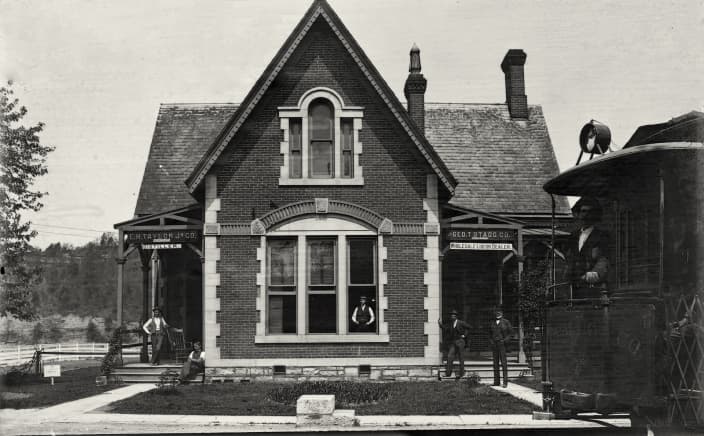
George T. Stagg Distillery office & Col. E.H. Taylor
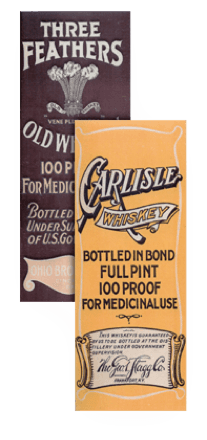
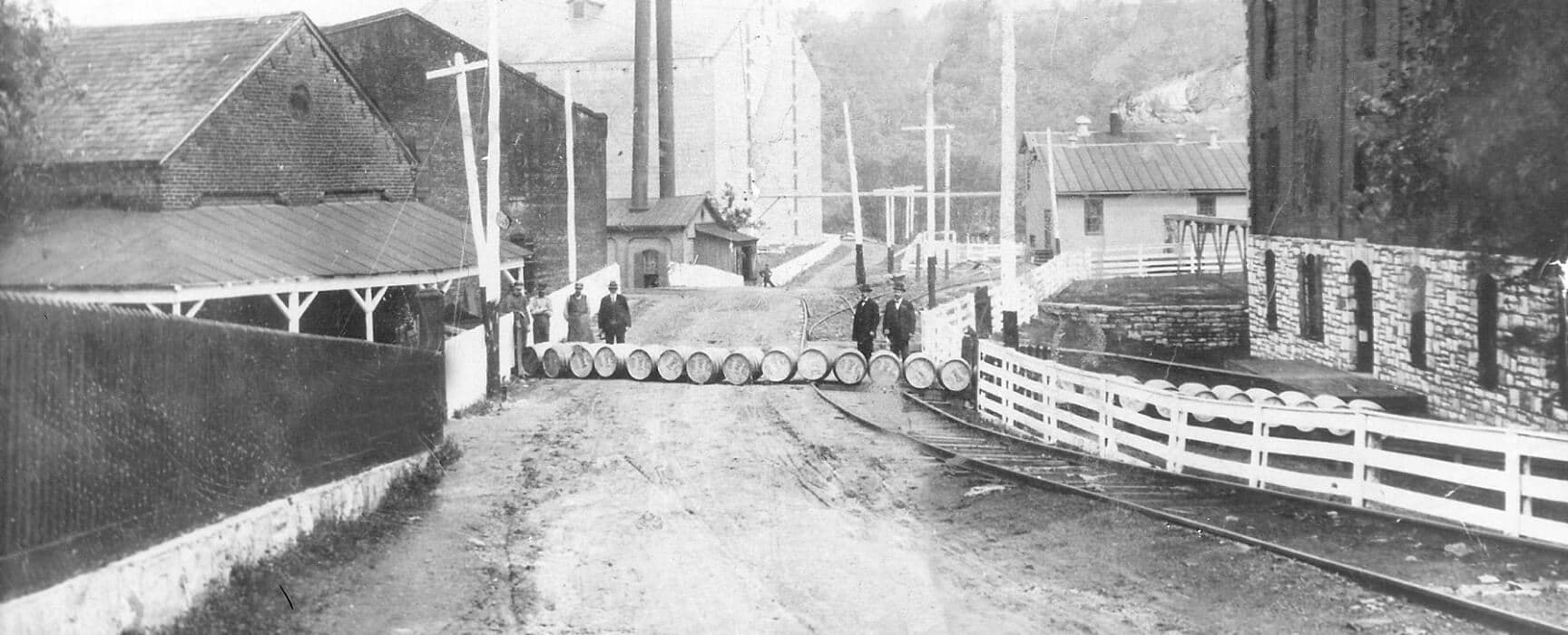
Medicinal Whiskey During Prohibition
1919

The 18th Amendment establishing Prohibition in January 1920 is ratified and the Volstead Act is passed to guide its enforcement.

George T. Stagg Distillery is one of very few to receive permit to bottle medicinal whiskey and even fewer permitted to produce new whiskey from 1930 to 1933.

1921

Albert B. Blanton becomes President of the George T. Stagg Distillery.

1929

The Distillery is purchased by Schenley Distillers Corporation.

1933

Prohibition ends with only four distilleries in Kentucky capable of producing whiskey.

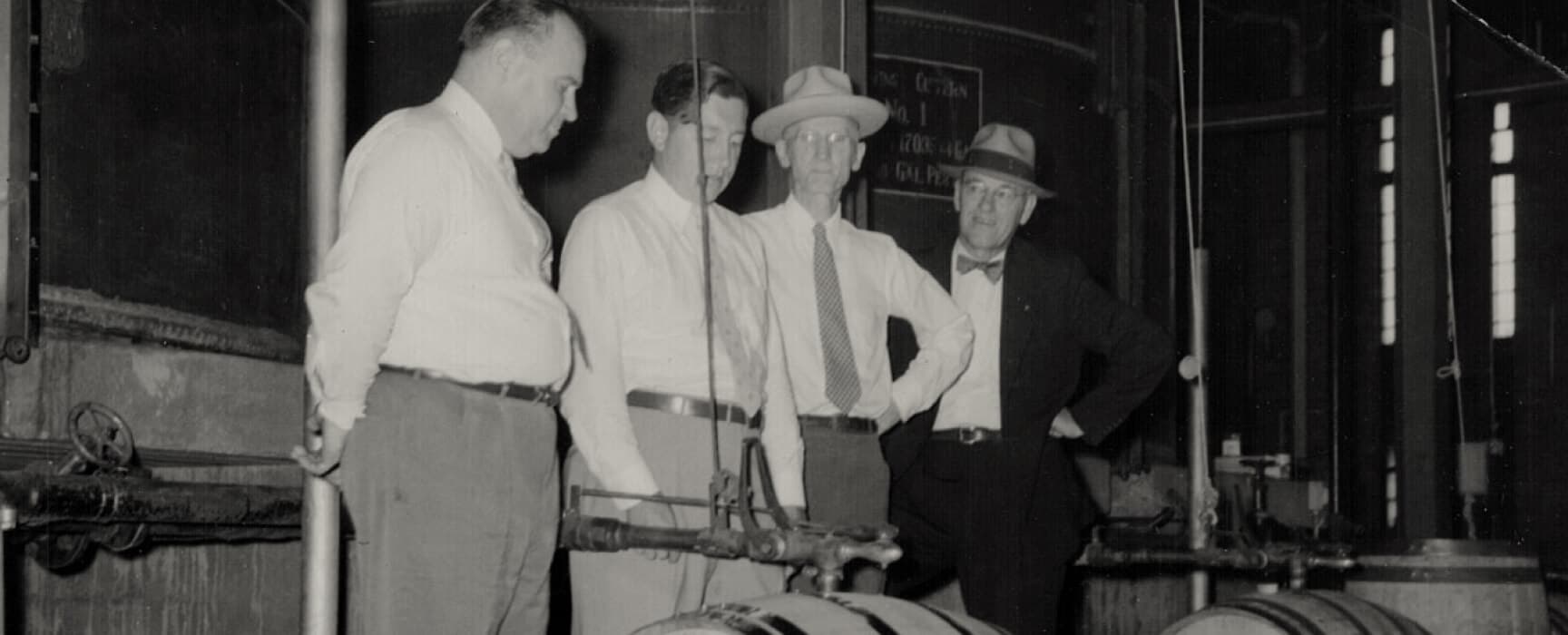
Working image of George T. Stagg Distillery
1933

Schenley begins a massive expansion program that culminates in 1935-1937 with a new state-of-the-art distillery complex.

1935

Warehouse H, the Distillery’s only “metal-clad” warehouse, is the first of seven massive new warehouses built before World War II.

1936

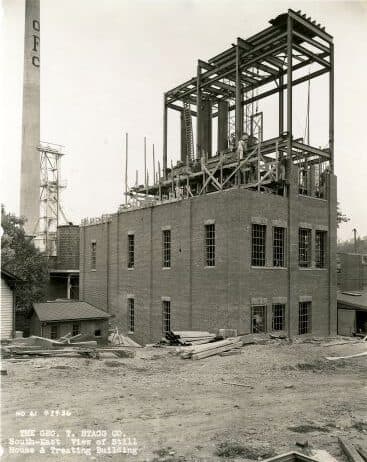
New Still houses are built onsite introducing the latest distilling technology at the time.

Construction of the Stillhouse, 1936
1937

The great flood inundates the Distillery, cresting at 17 feet above the power plant, four feet above the base of Warehouse H

1942

The Distillery produces its one millionth barrel of bourbon after Prohibition.

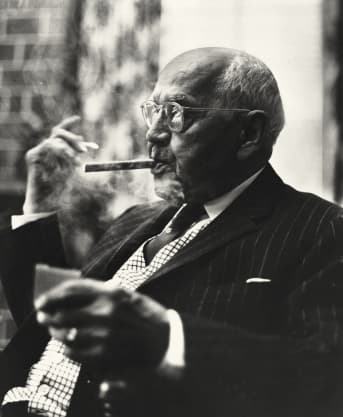
Elmer T. Lee
Elmer T. Lee
1949

Elmer T. Lee joins the Distillery

biography
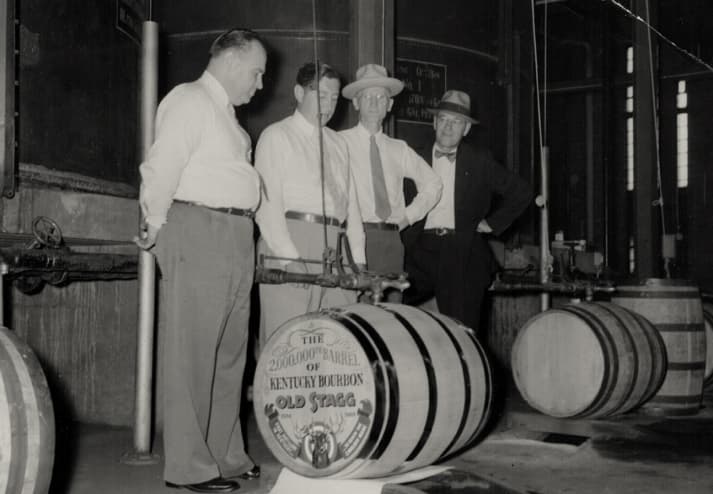
1953

Warehouse “V,” the world’s only
“single barrel” warehouse, is built in
celebration of the two millionth barrel
of bourbon produced since Prohibition.

Two Millionth Barrel
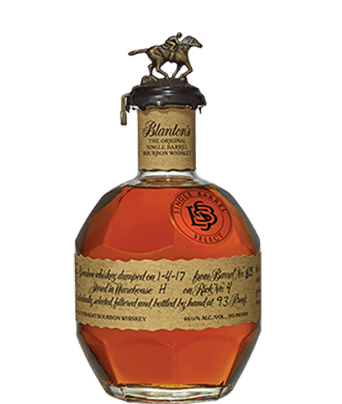
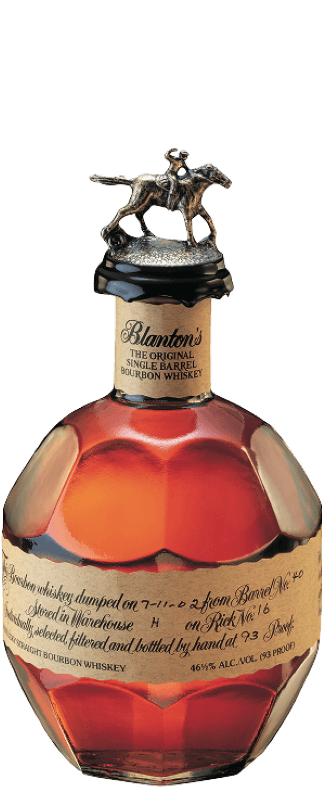
Blanton's Single Barrel Bourbon
1984

The Distillery introduces Blanton’s, the world’s first single-barrel bourbon.

discover blanton’s
1992

The Distillery is finally returned to a family-owned business, 
after purchase by the Sazerac Company.

1999

Distillery renovations are completed
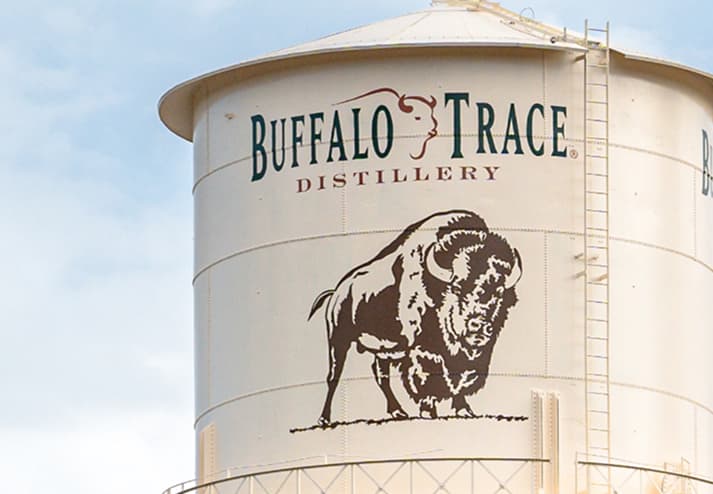
and rechristened as the Buffalo Trace Distillery.

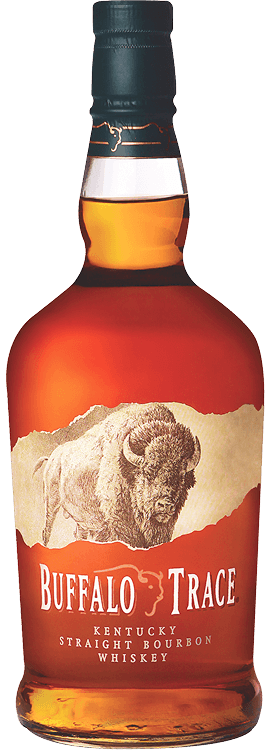
The Distillery’s new flagship brand
– Buffalo Trace is launched.

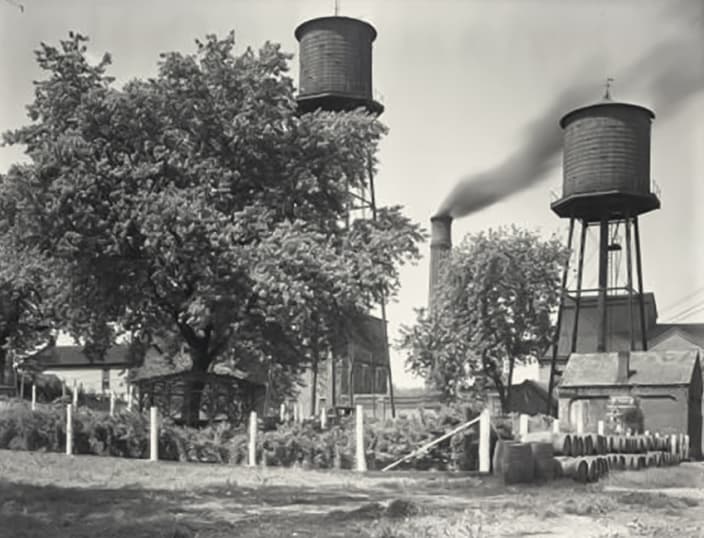
Buffalo Trace Water Tower
21st CENTURY

21st CENTURY

New Name, New Barrels, Historic Discovery: Buffalo Trace’s Renaissance Era

2000

The Buffalo Trace Distillery is awarded Whisky Advocate’s “Distillery of the
Year” – the first American distillery to win this prestigious international award.

2001

Elmer T. Lee is inducted into the Bourbon Hall of Fame

2004

The Blanton Family homestead, also known as “The Beeches,” is
acquired by Buffalo Trace Distillery to preserve the historic home
built in 1818.

2005

Master Distiller Gary Gayheart retires after 33 years at the Distillery.

Harlen Wheatley
Harlen Wheatley
2005

Harlen Wheatley becomes Master Distiller of Buffalo Trace.

2006

Buffalo Trace Distillery releases
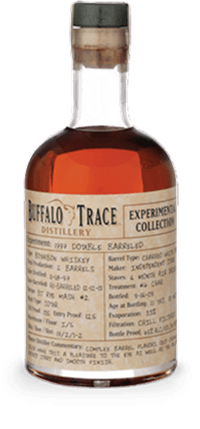
its first Experimental Collection Bourbons,
consisting of three different experiments.

Buffalo Trace Experimental Collection
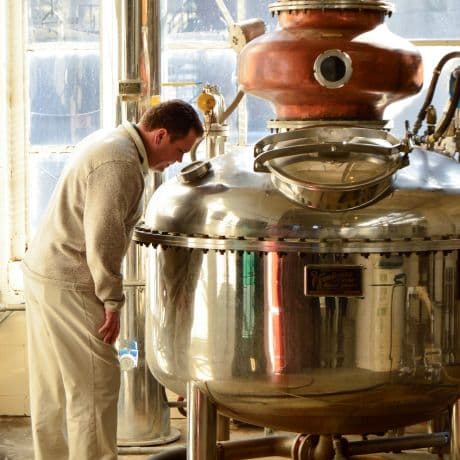
Hareln Wheatley with Experimental Still
2007

The E.H. Taylor, Jr. Micro Still, named after the father of the modern bourbon
industry, is launched. A combination pot still and column still, the Micro Still
allows Buffalo Trace to experiment in small batches.

2008

The Distillery produces the six millionth barrel of bourbon after Prohibition.
Longtime Buffalo Trace employee and Barrel Warehouse Manager Ronnie
Eddins receives lifetime achievement award from Whisky Advocate Magazine.

2010

Distillery is named Whisky Magazine’s
“Visitor Attraction of the Year”.

2011

Recognized as “Brand Innovator of the Year” by Whisky Magazine.

2013

Buffalo Trace Distillery named a National Historic Landmark.
Buffalo Trace Distillery constructs the world’s only experimental warehouse,
Warehouse X.

National Historic Landmark Emblem
2014

Distillery is named Whisky Magazine’s “Whisky Distiller of the Year, America”.

2015

Distillery purchases land and expands to more than 400 acres

2016

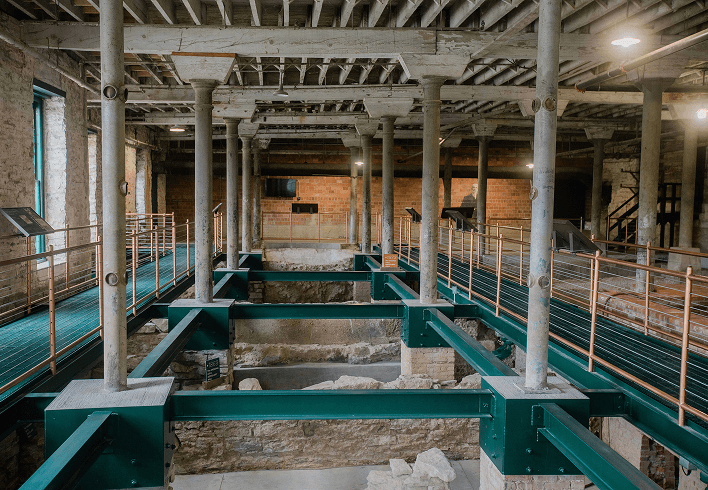
Discovery of long forgotten OFC Distillery, nicknamed “Bourbon
Pompeii”. TM

Uncovered O.F.C Original Distillery
2017

Visitor Attraction of the Year, Icons of Whisky America, Whisky Magazine
Over $1 Million raised for charities through first release of OFC Vintage Bourbon.

2018

Distiller of the Year, Icons of Whiskey America, Whisky Magazine
EH Taylor 4 Grain receives top whiskey of the year honors.
First new warehouse construction since the 1950s.
BTD fills seven millionth barrel of bourbon since Prohibition.

2019

Distillery expansion brings new cookers, fermenters, and state of the art bottling hall.

2022

Expansion of capacity begins by bringing the new still house (a 1:1 copy of the 1936 stillhouse) online

2023

Mark Brown moves from Sazerac CEO to Executive Chairman

2024

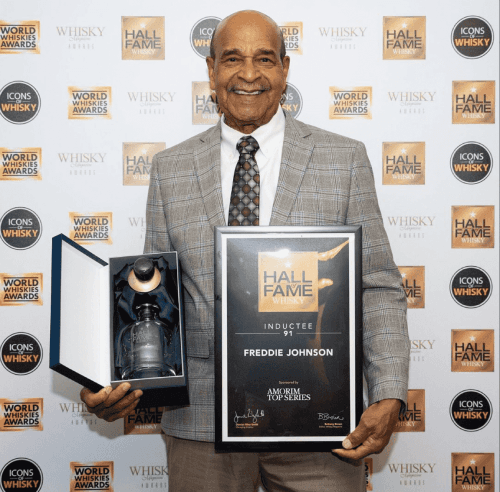
Freddie Johnson Induced into the Whiskey Hall of Fame

Freddie Johnson's Hall of Fame Induction
2025

Flood waters recorded higher than the great flood of 1937 cover the distillery; production swiftly resumes post cleanup

2025

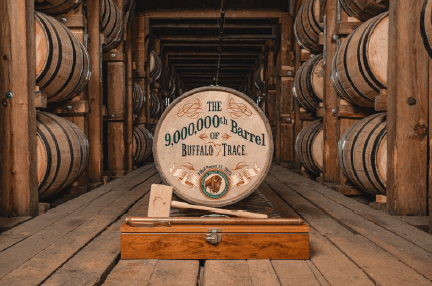
9 Millionth barrel filled since the end of prohibition

9 Millionth Barrel of Buffalo Trace Bourbon
Barrel 9 Million Filled Since Prohibition Ended
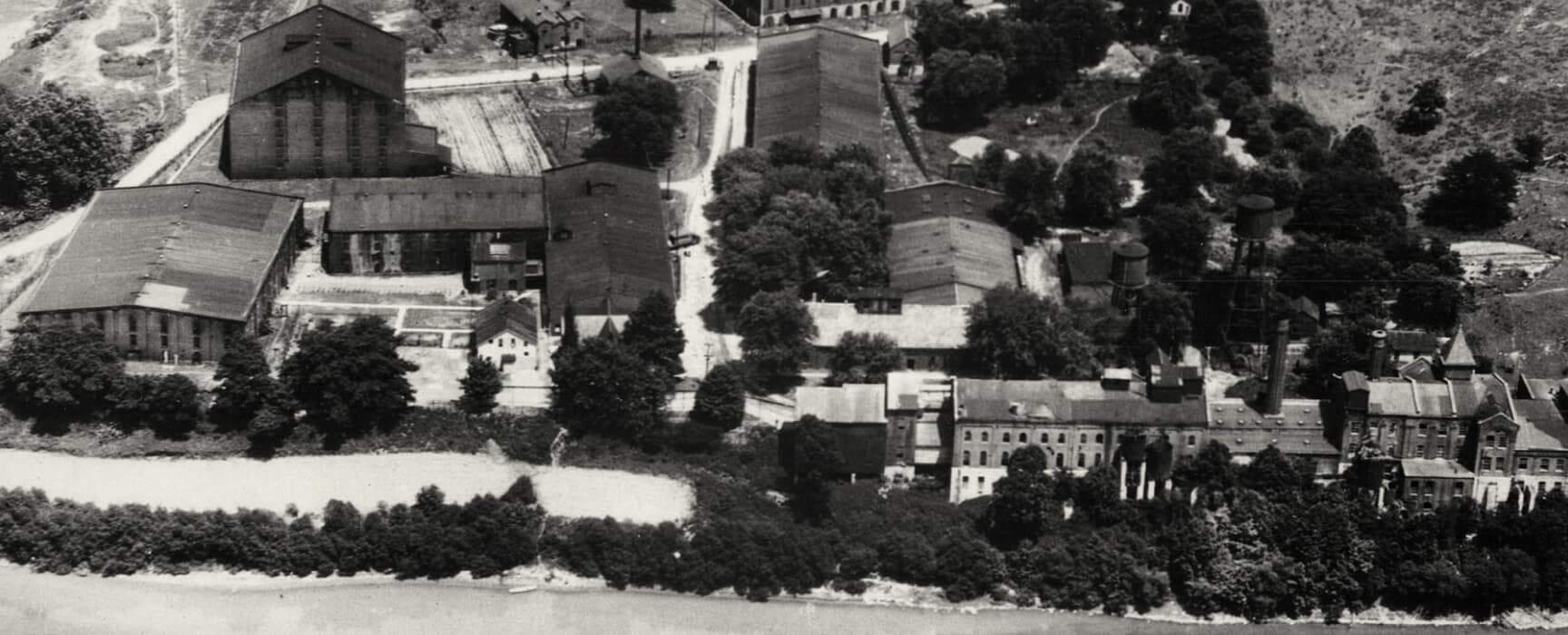
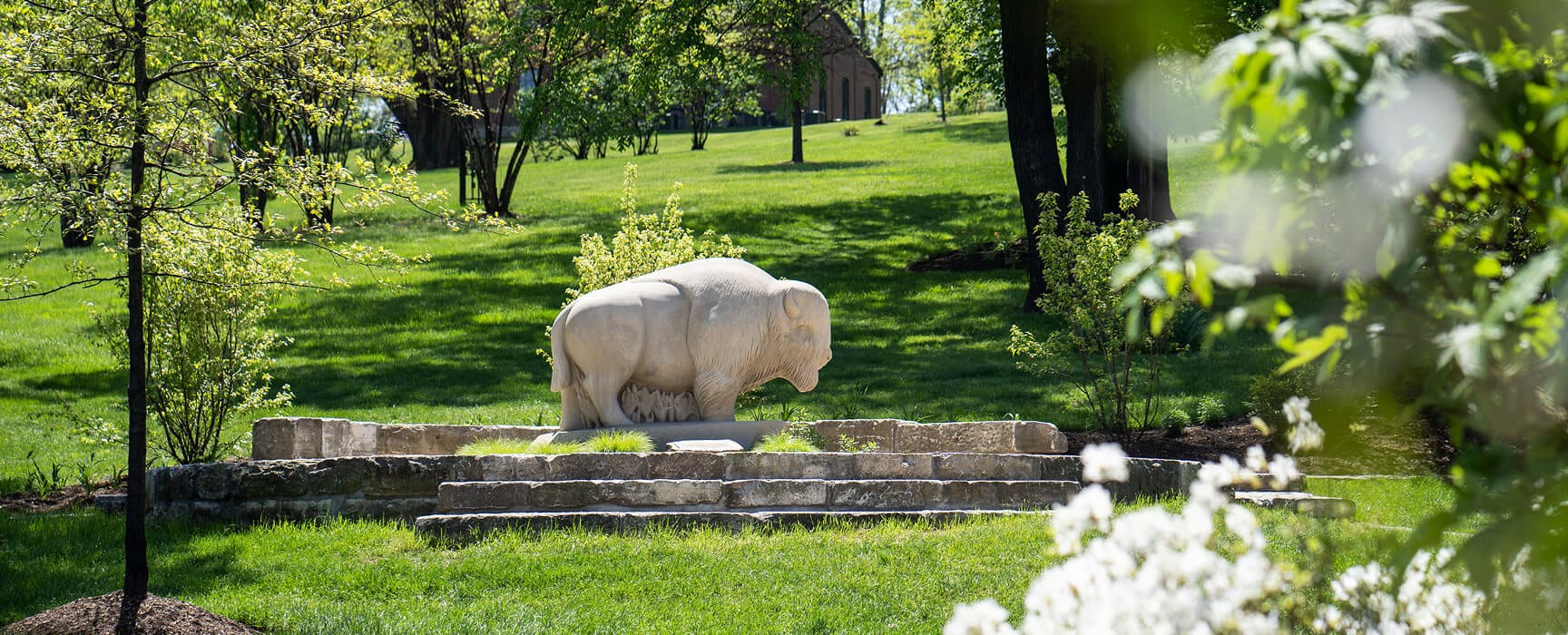
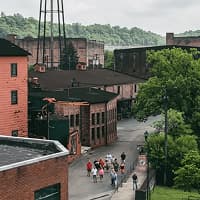
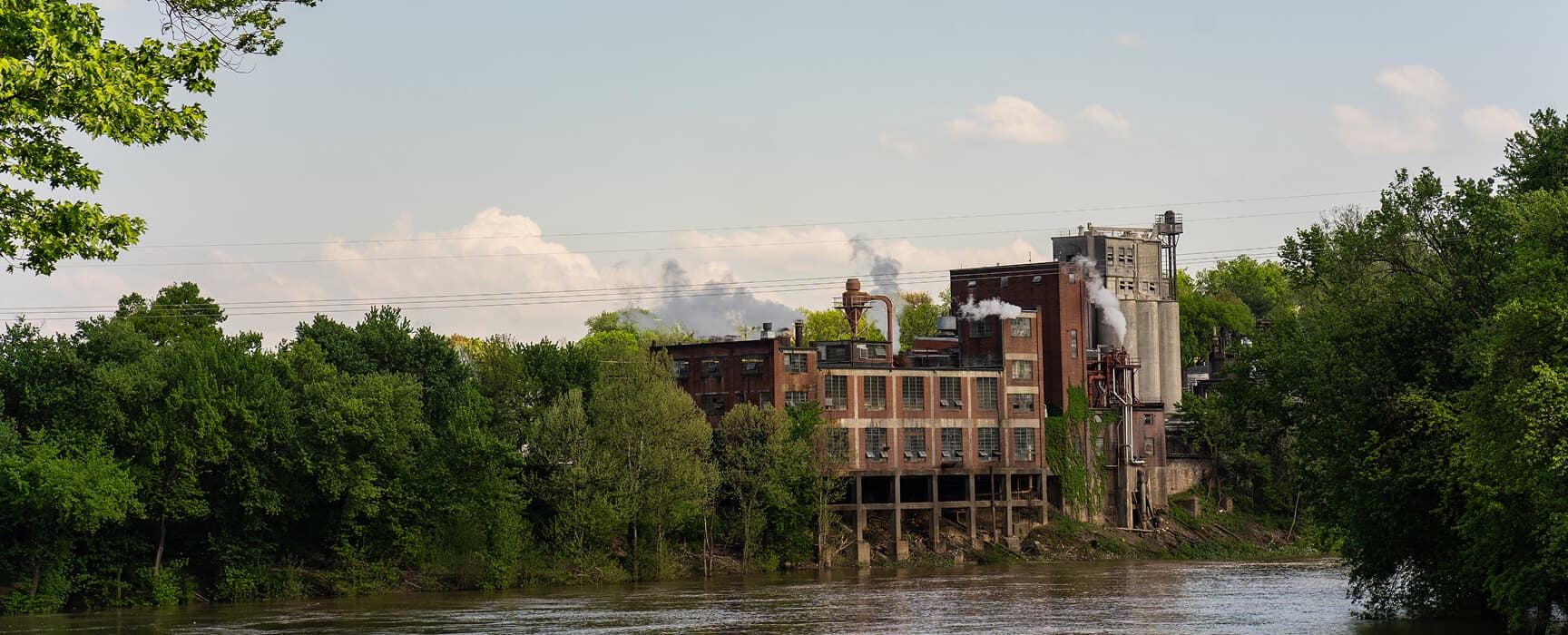
btd-from-riverbank-bt-media-kit-5-1